





Tool Box Essentials Guide: What Every Tool Box Should Include
Key Takeaways
Start your toolbox with essential tools like a hammer, pliers, wrenches, and screwdrivers. These basics help you handle most home repairs and projects.
Keep your tools organized in a toolbox. This saves time and reduces frustration when you need to find the right tool for a job.
Invest in quality tools. They perform better, last longer, and make your work safer and more efficient.
Expand your toolbox as your skills grow. Begin with the essentials and add specialized tools for more complex projects.
Always prioritize safety. Use safety glasses and gloves to protect yourself while working on repairs or DIY projects.
What Are Tool Box Essentials?

Core Definition
Tool box essentials are the basic, necessary tools for general-purpose tasks, including measuring, cutting, fastening, and safety equipment.
When you think about tool box essentials, you want to focus on the items that help you handle most repairs and projects at home. Experts say you should have a selection of fundamental tools that are easy to use, even if you do not do a lot of DIY. These tools let you fix things quickly and safely. You do not need every tool in the store. Start with the basics and build from there.
These essential tools cover a wide range of tasks. You can hang pictures, tighten bolts, measure spaces, or open packages. Each tool has a purpose, and together they make your toolbox ready for almost anything.
Items that support everyday tasks across home, garage, and job sites
You will find that these basic tools work in many places. Use them in your kitchen, garage, or even outside. A good set of tool box essentials helps you handle small repairs, build simple projects, and keep your home running smoothly.
Why They Matter
Ensure preparedness for common fixes
You never know when something will break or need a quick fix. Having the right tools means you can solve problems right away. You do not have to wait for help or use makeshift solutions that might not work.
Improve workflow and reduce downtime
A well-built toolbox keeps your tools organized and easy to find. This saves you time and keeps your projects moving. You will not waste time searching for what you need.
Tip: Quality tools perform well when you need them most. They also help you avoid frustration and make your work safer.
Provide a foundation for more advanced tool collections
Starting with tool box essentials gives you a strong base. As you take on bigger projects, you can add more specialized tools. Your toolbox grows with your skills and needs.
A good set of basic tools also protects your health and safety. Many tools use materials that keep you safe during repairs and even food handling. When you have the right tools, you turn challenges into simple tasks.
Essential Hand Tools

A well-stocked toolbox starts with the right hand tools. These must-have tools help you handle repairs, projects, and quick fixes around your home. Let’s break down each item so you know what to look for and how each one makes your life easier.
Hammer
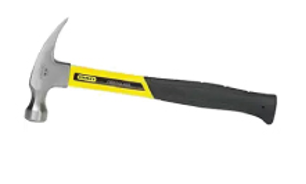
You’ll use a hammer for everything from hanging pictures to building shelves. It’s one of the most basic tools you need. The claw hammer is the most popular choice for home use because it drives nails and pulls them out with ease. Other types of hammers can help with metalwork, demolition, or delicate jobs.
Hammer Type | Primary Use |
|---|---|
Claw Hammer | Woodworking, general carpentry, nail removal |
Ball-Peen Hammer | Metalworking, shaping and forming metal |
Sledgehammer | Demolition, breaking concrete and masonry |
Tack Hammer | Delicate projects, upholstery, picture framing |
Rubber Mallet | Assembling furniture, adjusting tiles |
Tip: Pick a 16-ounce claw hammer with a comfortable handle. Wood and composite handles absorb shock better. Curved claws give you more leverage for pulling nails. A smooth face works for most jobs.
Pliers
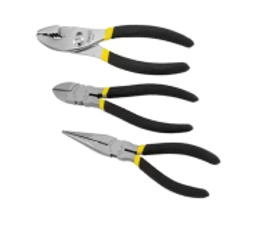
Pliers are essential tools for gripping, bending, cutting, and twisting. You’ll find many types, each with a special use. Needle nose pliers help you reach tight spots. Locking pliers clamp objects so you can work hands-free. Combination pliers handle general repairs and wire stripping. Diagonal pliers cut wires and cables. Waterpump pliers grip pipes, which is handy for plumbing.
Needle Nose Pliers: Reach into small spaces, bend wires, and position tiny parts.
Locking Pliers: Hold objects tightly so you can work safely.
Combination Pliers: Strip wires, grip, and cut.
Diagonal Pliers: Cut wires and cables.
Waterpump Pliers: Grip pipes and fittings.
Tip: Choose pliers with cushioned grips for comfort. A set with different types covers more tasks.
Wrenches
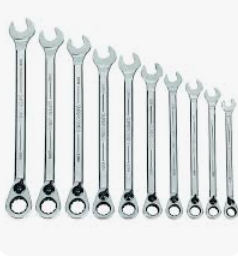
Wrenches help you tighten or loosen nuts and bolts. Adjustable wrenches are great because they fit many sizes. You don’t need a whole set of fixed wrenches to start. An adjustable wrench adapts to different fasteners, making your tool box essentials more versatile. Extra-wide openings let you tackle bigger jobs.
Adjustable wrenches fit many fastener sizes.
They’re portable and convenient for quick fixes.
A well-made wrench with a smooth adjustment is easier to use.
Tip: Start with one adjustable wrench. Add fixed wrenches for common sizes as you need them.
Screwdrivers
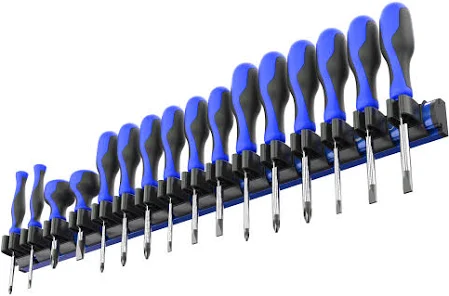
Screwdrivers are must-have tools for assembling furniture, fixing electronics, and tightening cabinet hinges. You need both Phillips and flathead screwdrivers. Phillips screwdrivers fit cross-shaped screws. Flathead screwdrivers work with slotted screws. Each type handles different jobs, so having both makes your basic tools more useful.
Tip: Get a multi-bit screwdriver. It saves space and lets you switch heads for different screws.
Tape Measure
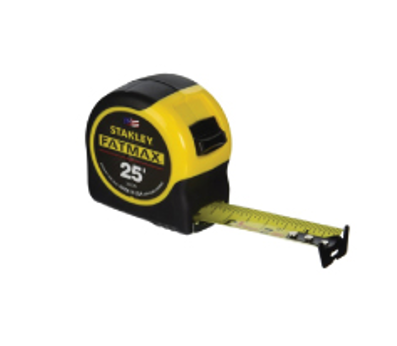
A tape measure helps you measure spaces, furniture, and materials. You’ll use it for almost every project. For most home jobs, a 25-foot tape measure works best. It’s long enough for big rooms but still easy to carry.
Project Type | Recommended Length |
|---|---|
General Construction | At least 25 feet |
Finish Carpentry | Typically 16 feet |
Tip: Look for a tape measure with a sturdy lock and easy-to-read markings.
Utility Knife

A utility knife is one of the most practical tools in your toolbox. You’ll use it to open boxes, trim materials, and cut carpet or drywall. It’s sharp, handy, and safe when used correctly. You can change blades quickly, so it’s always ready for tough jobs.
Tip: Keep extra blades in your toolbox. Dull blades make cutting harder and less safe.
Level
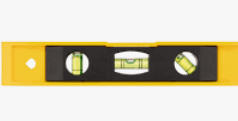
A level helps you hang shelves, pictures, and cabinets straight. It checks if surfaces are horizontal or vertical. Using a level makes your projects look professional. You can check from different positions to make sure everything lines up. Flip the level and recheck to confirm accuracy.
Levels help you get perfect alignment.
Multiple readings improve precision.
Flipping the level ensures the bubble stays in the right spot.
Tip: Choose a sturdy level with clear markings. A small torpedo level fits in most toolboxes.
Small Hand Saw
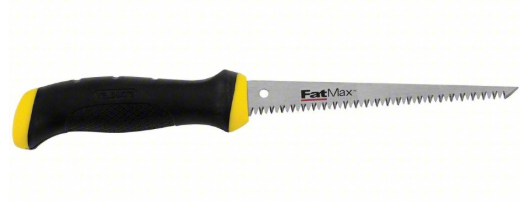
A small hand saw lets you cut wood, plastic, and trim corners. It’s quiet, portable, and easy to control. You can use it for small, precise cuts in tight spaces. It’s safer for beginners and gives you good feedback as you work.
Cuts small items like wood and plastic.
Trims corners and makes minor cuts.
Can cut holes in boards.
Quiet and portable for use anywhere.
Safer for beginners and great for detailed work.
Tip: Pick a saw with a comfortable grip and sharp teeth. A compact size fits better in your toolbox.
A well-stocked toolbox with these essential tools makes home repairs and DIY projects easier. You’ll save time, work safer, and feel ready for anything. Start with these basic tools and add more as your needs grow.
Essential Fastening & Adjusting Tools
You need more than basic hand tools in your toolbox. Fastening and adjusting tools help you work with bolts, nuts, and screws. These tools make jobs easier and save time. You can fix furniture, bikes, and small appliances with them.
Socket Set
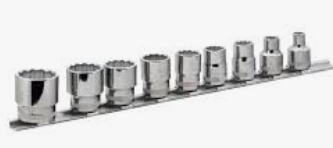
A socket set helps you handle bolts and nuts easily. It comes with sockets in different sizes for many projects. Most sets have sockets, ratchets, and extension bars. Sockets fit around fasteners and come in metric and imperial sizes. Ratchets let you turn sockets without taking them off each time. Extension bars help you reach tight places.
Component | Description |
|---|---|
Sockets | Fit around fasteners, come in imperial or metric sizes, and have different profiles (6-point and 12-point). |
Ratchets | Attach to sockets to turn them, come in different drive sizes, and can be standard or quick release. |
Extension Bars | Help reach fasteners in tight spots, come in different sizes, and add length to socket drivers. |
Tip: Pick a socket set with both 6-point and 12-point sockets. You will be ready for almost any job.
Ratchets & Drivers

Ratchets and drivers make fastening jobs much easier. You can tighten or loosen bolts quickly. The ratcheting part lets you turn fasteners in one way without lifting your hand. Many drivers use different bits, so you need fewer tools. Handles with good grips help your hands feel better and less tired.
Feature | Description | Benefits |
|---|---|---|
Ratcheting Mechanism | Lets you turn in one direction | Fast fastening with less effort |
Interchangeable Bits | Uses many screw and bolt types | Fewer tools needed |
Ergonomic Design | Non-slip grip, less hand pain | More comfort and control |
Note: A ratchet with a quick-release button helps you change sockets faster.
Hex Key / Allen Key Set
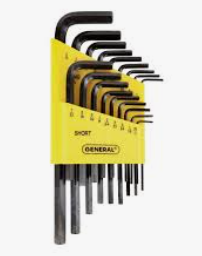
Hex keys, also called Allen keys, are small but strong. You use them for furniture, bikes, and hex screws and bolts. These tools fit in tight spaces and turn fasteners other tools cannot reach.
Furniture assembly
Bicycle repair
Working with hex screws and bolts
Hex key sets come in different sizes. Some fold up for easy storage. Others come on a ring so you do not lose them.
Tip: Keep both metric and imperial hex keys in your toolbox. You will always have the right size for every job.
Fastening and adjusting tools are important for your toolbox. They help you do repairs and projects that basic hand tools cannot do. With these tools, you will be ready for anything.
Electrical Tools
Electrical jobs can seem hard, but the right tools help a lot. You can do simple wiring, put in fixtures, or fix outlets with confidence. Here are four electrical tools you should have in your toolbox.
Voltage tester
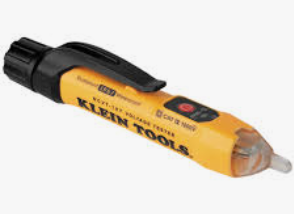
A voltage tester keeps you safe when working with electricity. You use it to check if wires or outlets have power before touching them. This step stops electric shocks and keeps you safe. Voltage testers help you make sure wires are not live before you start. Non-contact testers give quick results, but they can be wrong sometimes. Always check again with a contact tester or a multimeter for the best answer. Safety is always the most important thing when working with electricity.
Tip: Test every wire before you begin. You do not want surprises when working with electrical circuits.
Wire stripper
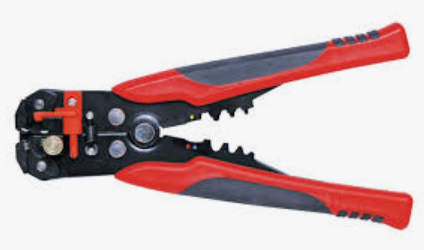
Wire strippers make electrical work much easier. You use them to take off the outside cover from cables and remove insulation from wire ends. This lets you connect wires to terminals or join them together. Many wire strippers also cut wires, like scissors or pliers. Here is what wire strippers can do:
Take off the cover from electrical cables.
Remove insulation from wire ends for connections.
Cut wires for quick changes.
A good wire stripper saves time and keeps your work neat.
Power Drill and Drill Bits
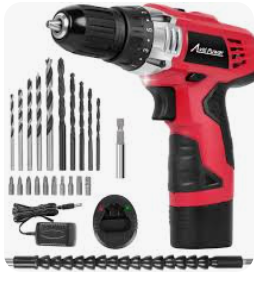
A cordless drill is a very useful tool for electrical work. You use it to make holes for outlets, run wires through walls, or put in light fixtures. A cordless drill lets you move around easily without cords. You can change drill bits fast for different jobs. You can drill into wood, metal, or drywall with it. You can also use it to drive screws, which makes work faster and easier. Keep drill bits in your toolbox so you are ready for any job.
Tip: Pick a cordless drill with adjustable speed and a grip that feels good. You will work faster and your hands will not get tired.
Having these electrical tools in your toolbox helps you do repairs and upgrades safely. You will feel ready and confident for any electrical job at home.
Additional Helpful Essentials
Lubricants & Cleaning Items
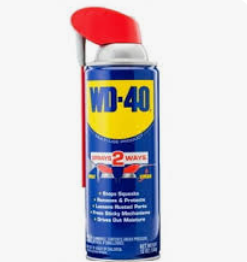
You want your tools to last and work well. Keeping them clean and rust-free makes every home improvement project easier. Try using a mix of Pinesol and water in an old crock-pot to clean your tools. Straight antifreeze can help remove grime and stop rust if you heat it up. For quick cleaning, grab a common cleaner spray and follow up with turps or mineral spirits. Windshield washer fluid wipes away dust and dirt. WD-40 works great on grease and grime. If you run into heavy-duty grease, starting fluid can help, but be careful since it’s flammable. Sometimes, a gasoline-soaked rag gets into corners and cleans tools fast.
Tape & Adhesives
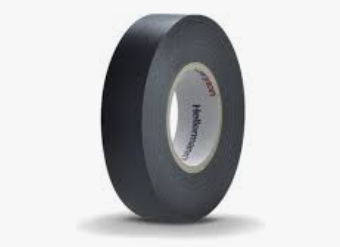
You never know when you’ll need to fix, seal, or patch something. That’s why it’s smart to keep a variety of tapes and adhesives in your toolbox. Here’s a quick guide:
Type of Tape | Description |
|---|---|
Duct Tape | Strong adhesive, flexible fabric backing; ideal for sealing, patching, and bundling. |
Masking Tape | Provides clean lines for painting; easy to remove without residue. |
Electrical Tape | Insulates wires; resists moisture and abrasion; essential for electrical repairs. |
Packing Tape | Strong and moisture-resistant; used for sealing boxes and shipping. |
Double-sided Tape | Bonds two surfaces together; commonly used in crafts and mounting. |
Teflon Tape | Seals pipe threads; prevents leaks; resistant to heat and chemicals. |
Filament Tape | High tensile strength; used for bundling heavy items. |
Reflective Tape | Improves visibility in low light; durable and weather-resistant. |
Friction Tape | Provides a tacky surface for grip; ideal for wrapping tool handles. |
Foam Tape | Compressible; seals gaps and reduces vibration; withstands outdoor conditions. |
Anti-slip Tape | Provides traction on slippery surfaces; durable and water-resistant. |
Zip Ties & Clamps
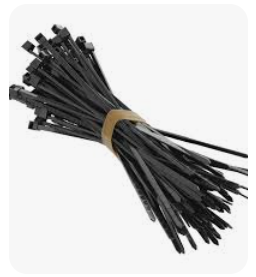
Zip ties and clamps make you feel like a pro. Zip ties bundle wires, cables, and hoses in seconds. They hold up in tough weather and work for almost any job. You can use them to secure wire runs, mount cables, or reduce movement stress. Clamps help you hold things steady while you work. Both are easy to use, so even a diy enthusiast can master them quickly.
Bundle and secure items fast
Work indoors and outdoors
Easy to use and teach
Flashlight or Work Light
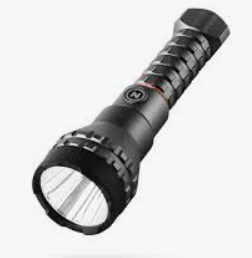
Sometimes you need extra light to see what you’re doing. A flashlight or work light helps you work in dark spaces, whether you’re fixing a car, working under the sink, or camping. These lights use less energy, last longer, and are tough enough to handle drops. You can carry them anywhere, so you’re always ready.
Tip: Keep a small flashlight in your toolbox for quick fixes at night or in tight spots.
Safety Glasses and Gloves
Safety always comes first. Safety glasses protect your eyes from flying debris when you drill or cut wood. Work gloves keep your hands safe from cuts, burns, and blisters. Leather gloves work best for heavy jobs, while nitrile gloves protect you from chemicals. Most accidents happen to your hands or eyes, so don’t skip these essentials.
Remember: Protecting yourself is just as important as fixing things.
You now know the must-have tools for any toolbox. Here’s a quick recap:
Hammer: Drives and removes nails.
Pliers: Grips, bends, and cuts.
Wrenches: Tightens and loosens bolts.
Screwdrivers: Handles all types of screws.
Tape measure: Measures spaces and materials.
Utility knife: Cuts through tough stuff.
Level: Keeps things straight.
Small hand saw: Makes precise cuts.
Tip: Start with these basics. Add new tools as your projects grow. Build your toolbox to fit your needs and style.
FAQ
What is the first tool I should buy for my toolbox?
Start with a hammer. You will use it for many jobs, from hanging pictures to small repairs. A claw hammer works best for most home tasks.
How do I keep my tools from rusting?
Keep your tools dry and clean. Wipe them after use. Store them in a dry place. You can use a little oil or WD-40 to protect metal parts.
Do I need power tools in my basic toolbox?
You do not need power tools right away. Hand tools handle most small jobs. As you take on bigger projects, you can add a cordless drill or other power tools.
How often should I check or replace my tools?
Check your tools every few months. Look for damage or wear. Replace broken or dull tools. Sharp and safe tools help you work better and avoid accidents.