





How to distinguish whether the material of a combined tool cabinet is environmentally friendly?
- Introduction
- Types of Tool Box Materials
- 1. Common Materials Used in Tool Boxes
- 2. Advantages and Disadvantages of Each Material
- 3. Choosing the Right Material Based on Your Needs
- 4. Factors to Consider When Selecting a Tool Box Material
- 5. Tool Box Material Comparison Chart
- Conclusion
- FAQs
Introduction
Choosing the right tool box material might seem simple, but it makes a big difference if you’re into DIY projects or work with tools. I’ve tried many different tool boxes—from heavy steel to lightweight plastic—and each one has its own pros and cons.
The material of your tool box isn’t just about appearance. It affects durability, portability, and how well it performs in different environments. Let’s dive into some of the most common tool box materials and figure out which one might be the best for you.
Types of Tool Box Materials
1. Common Materials Used in Tool Boxes
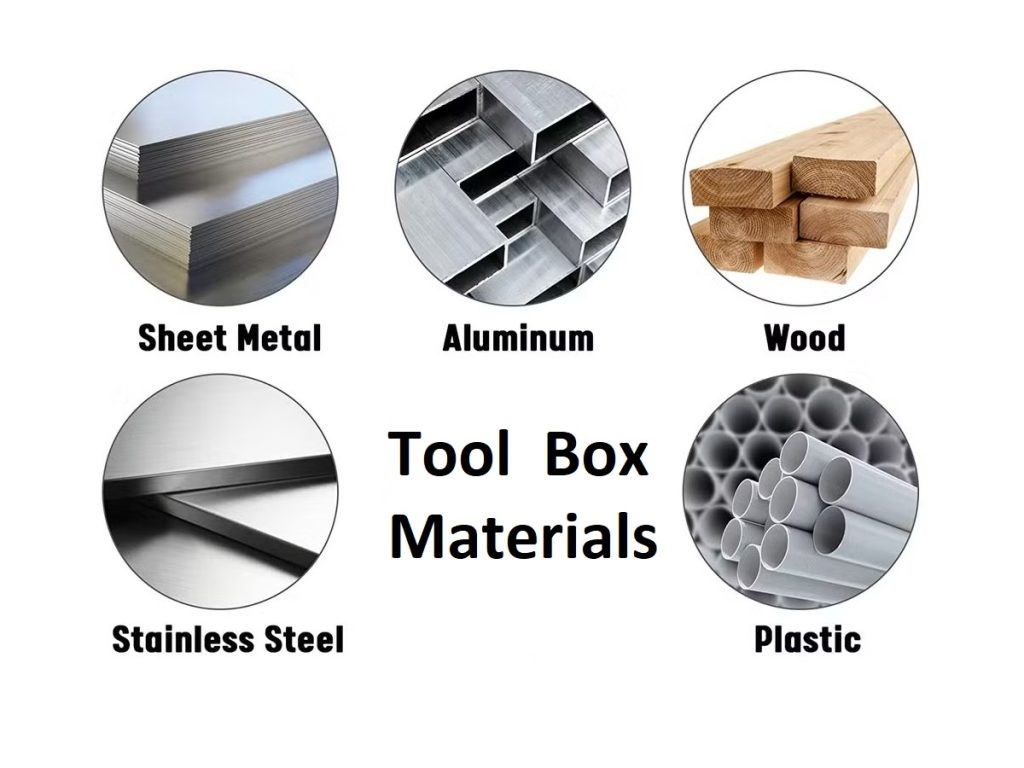
Here’s a breakdown of the common materials used for tool boxes and why you might want to consider each one:
- Steel
- Steel is one of the strongest materials for tool boxes. When I first started out, I used a steel tool box because I needed something heavy-duty for all my tools. Steel is strong and durable. If you need to carry heavy tools and want something tough, steel is a great choice.
- Aluminum
- Aluminum became my go-to when I realized carrying a heavy steel box wasn’t great for my back. Aluminum is lighter but still strong. It’s also rust-resistant and easy to carry. If you need something portable that still has good strength, aluminum is a solid choice.
- Plastic/Polypropylene
- If you’re a DIY enthusiast or a homeowner, plastic (often polypropylene) is a good pick. It’s lightweight, cost-effective, and rust-proof. I use a plastic tool box for smaller tools and bits in my garage. It’s easy to move and works well for lighter projects.
- Stainless Steel
- If you work outside a lot, stainless steel is a good choice because it won’t rust. It’s more resistant to weather than regular steel. On rainy days, stainless steel is a lifesaver. It’s the best material for a toolbox if you want something very durable and weather-resistant.
- Wood
- Wood is a classic choice. I still use a wooden tool box that my grandfather made. It looks great, and it’s perfect if you like customizing things. Wood isn’t ideal for tough environments or heavy tools, but if you want something that feels unique, wood is an awesome choice. Find out how to customize a tool box to fit your style.
2. Advantages and Disadvantages of Each Material
Here’s a quick look at the pros and cons of each material:
- Steel
- Pros: Very strong, great for heavy tools.
- Cons: Heavy, can rust if not treated.
- Aluminum
- Pros: Lightweight, rust-resistant, easy to carry.
- Cons: Can dent more easily than steel.
- Plastic/Polypropylene
- Pros: Lightweight, affordable, rust-proof.
- Cons: Not very durable, can crack under too much weight.
- Stainless Steel
- Pros: Rust-resistant, highly durable, great for outdoor use.
- Cons: Heavier than aluminum, more expensive.
- Wood
- Pros: Classic look, highly customizable.
- Cons: Heavy, can be damaged by moisture.
3. Choosing the Right Material Based on Your Needs
Everyone’s needs are different, which makes choosing the right tool box material so important. Here’s what I’ve learned:
- For Homeowners & DIY Enthusiasts
- If you’re doing light projects around the house, plastic or aluminum are great. They’re portable and won’t break your back or budget.
- For Professionals (Mechanics, Electricians, etc.)
- If you need something reliable, go with steel or stainless steel. They’re durable and can handle the rough conditions of professional work.
- For Hobbyists & Specialty Users
- If you’re into woodworking or want something special, wood is a great option. It’s customizable and looks great.
- For Tool Chests
- Tool chests are usually made from heavy-duty steel or stainless steel. They need to be strong enough to store a lot of tools safely.
4. Factors to Consider When Selecting a Tool Box Material
Choosing the right material isn’t just about looks. Here are some things to think about:
- Weight
- How heavy is it? If you need to carry it often, go for aluminum or plastic.
- Durability
- Will it last a long time? Steel and stainless steel are the best choices for durability.
- Environment
- Will it be outside a lot? Go for something rust-proof like stainless steel.
- Budget
- How much are you willing to spend? Plastic is the cheapest, but stainless steel is worth it if you need something long-lasting.
5. Tool Box Material Comparison Chart
| Material | Weight | Durability | Cost | Best Use Cases |
|---|---|---|---|---|
| Steel | Heavy | Very Durable | Medium | Heavy-duty, professional use |
| Aluminum | Light | Moderately Durable | Medium | Portable, balance of weight and strength |
| Plastic | Very Light | Less Durable | Low | Homeowners, DIY enthusiasts |
| Stainless Steel | Heavy | Highly Durable | High | Outdoor use, tough environments |
| Wood | Heavy | Moderately Durable | High | Specialty use, hobbyists |
Conclusion
So there you have it—a guide to the different materials used for tool boxes. Steel is for those who need something super durable and don’t mind the weight. Aluminum is great if you want something that’s light but still strong. Plastic is perfect for light projects, while stainless steel is the best choice for outdoor use. And wood—it’s all about the classic look and customization.
Whatever your needs are, there’s a tool box material that’s perfect for you. I’d love to hear what you’re using and how it’s working for you. Feel free to share your thoughts in the comments!
Ready to find the perfect tool box? Head over to ARTMANOFFICIAL.com and check out our range. Whether you need something tough or something lightweight, we’ve got you covered. Click here to explore more!
FAQs
What material is used for toolboxes?
Toolboxes are commonly made from materials like steel, aluminum, plastic, stainless steel, and wood. Each material offers different advantages depending on the intended use.
What are most tool boxes made of?
Most tool boxes are made of steel, aluminum, or plastic. Steel is popular for its durability, aluminum for its lightweight properties, and plastic for its affordability and rust resistance.
What is the best material for a toolbox?
The best material depends on your needs. For heavy-duty and professional use, steel or stainless steel is ideal. For portability, aluminum is a great choice. Plastic is suitable for light projects, and wood offers a customizable, classic look.
What are tool chests made of?
Tool chests are usually made of heavy-duty steel or stainless steel to provide maximum durability and secure storage for larger tool collections.
What tools are needed for making cabinets?
Common tools needed for making cabinets include a table saw, drill, measuring tape, clamps, and a sander. Having a well-organized tool box with these essentials can greatly help in the process.
What does a tool box consist of?
A tool box typically consists of compartments and trays to organize different tools and accessories, such as wrenches, screwdrivers, pliers, and fasteners. Some tool boxes also feature locks for security.
What does every tool box need?
Every tool box should contain essential tools like a hammer, screwdrivers, pliers, a utility knife, a measuring tape, and a wrench set. The exact contents may vary depending on the type of work you do.
What are tool chests made of?
Tool chests are typically made of steel or stainless steel to ensure durability and secure storage for a wide array of tools.